Classic Sephardic Judaism: Part 1
Excerpts from Rabbi Daniel Bouskila’s
A Tradition with Vision: Sephardic Judaism for the 21st Century

Opening Statement
The Sephardic Educational Center (SEC), with a unique and inspiring campus in the Jewish Quarter of the Old City of Jerusalem, is a Jewish organization whose philosophy, educational programs and practice of Judaism reflects Classic Sephardic Judaism, expressed by a fusion between a halakhic lifestyle, tradition and modernity. Judaism is at once our sacred heritage from the past, and our way of life in the modern world. As such, the SEC’s mode of Judaism reflects the continuity of halakhic living, and Sephardic traditions, culture and heritage, all living harmoniously with the modern world. Recognizing that individual Jews represent a wide range of observance levels and personal beliefs, the SEC operates as a non-denominational organization that invites and welcomes Jews of all ethnic backgrounds and observance levels who seek to study and experience a Jewish way of life that respects tradition, embraces modernity, celebrates culture, and promotes intellectual and spiritual growth. The SEC reaches out to educate and inspire all Jews, Sephardic and Ashkenazi, with it’s uniquely Sephardic philosophy that blends tradition, modernity, tolerance, spirituality and culture.
Definitions
In order to understand the religious direction of the SEC, and where the SEC places itself in the complex rubric of the contemporary Jewish world, it is important to provide concrete definitions to many of the terms used above. What is “Classic Sephardic Judaism?” What do we mean by a “fusion of tradition and modernity?” Is there an approach to halakha that is unique to Sephardic Judaism? In what way is Sephardic Judaism “non-denominational”? What do we mean by “tolerance”? How can an organization with the word “Sephardic” serve as an umbrella for Jews of all ethnic backgrounds?
The definitions of these terms and the answers to these questions are the driving forces that will help define the hallmarks and unique character of all programs offered by the SEC. After all, there are many trips offered to Israel for High School students – what makes the SEC High School trips to Israel different and unique? There are many different study abroad programs in Israel offered to young Jews – what would differentiate an SEC study abroad program from the other offerings? Rabbis are trained in a wide variety of rabbinical training programs, each reflecting its own unique philosophy and ideology on all Jewish matters – how would an SEC Rabbinical School reflect an approach to Judaism different than the many other rabbinical training programs currently offered in the Jewish world today? All of this matters, because, as the noted Jewish scholar Jacob Neusner wrote, “Communities live by ideas – systems of thought that explain who they are and what they ought to do.” This document will help to begin the process of giving concrete definitions to the set of ideas that will drive the SEC as an organization.
Defining “Classic Sephardic Judaism”
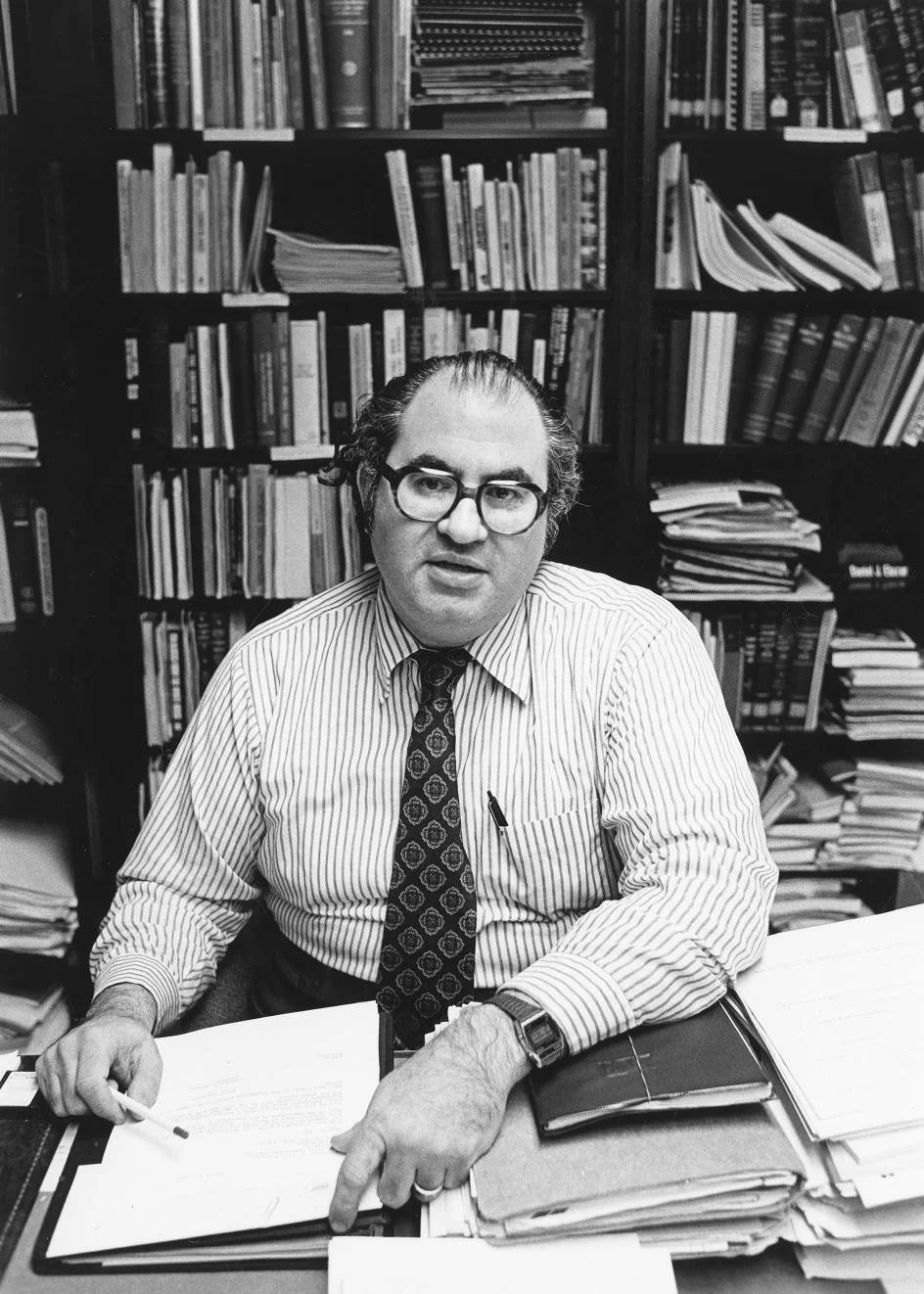
In an article titled “Can Sephardic Judaism Be Reconstructed?” Daniel Elazar addresses this question with the following definition:
“One of the greatest, if not the greatest, contribution of Sephardic Jewry was its approach to the theory and practice of Judaism. Iberian Jewry reworked the Jewish materials it inherited from Eretz Israel, Babylonia and North Africa into classical forms, thought through and organized systematically, whether in halakhah, philosophy or mysticism, to offer a balanced theory and practice, not given to excess, seriously Jewish, yet worldly and cosmopolitan. Classic Sephardic Judaism was designed by men who lived in the larger world and were active in its affairs, most of whom wanted a Judaism no less rigorous than their Ashkenazi brethren in its essentials, but flexible in its interpretations and applications.”
Dr. Elazar’s definition is more pronounced and illuminated by Rabbi Yitschak Chouraqui, in his recent article “The Leadership and Tradition of Sephardi Sages in the Modern Era,” Rabbi Chouraqui writes:
Sephardic Judaism emphasizes different fundamental points that can be designated as Classical: (a) Tradition - that is to say the continuity of the heritage; concepts of loyalty, a sense of belonging to the general public, and mutual responsibility both in the present and in relation to earlier generations. (b) Compatibility - that is, balance and harmony between the Torah's requirements and those of our lives, between the individual person's work and his integration into society, between the unique Jewish world and the wider world in general, between the traditions handed down through the generations and the new and changing present, between the internal Jewish knowledge and general knowledge.
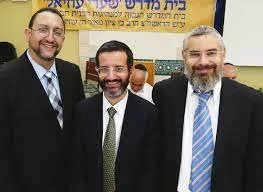
Rabbi Bouskila, Rabbi Chouraqui and Rabbi David Zenou
What we draw from these two complementary definitions of “Classic Sephardic Judaism” is:
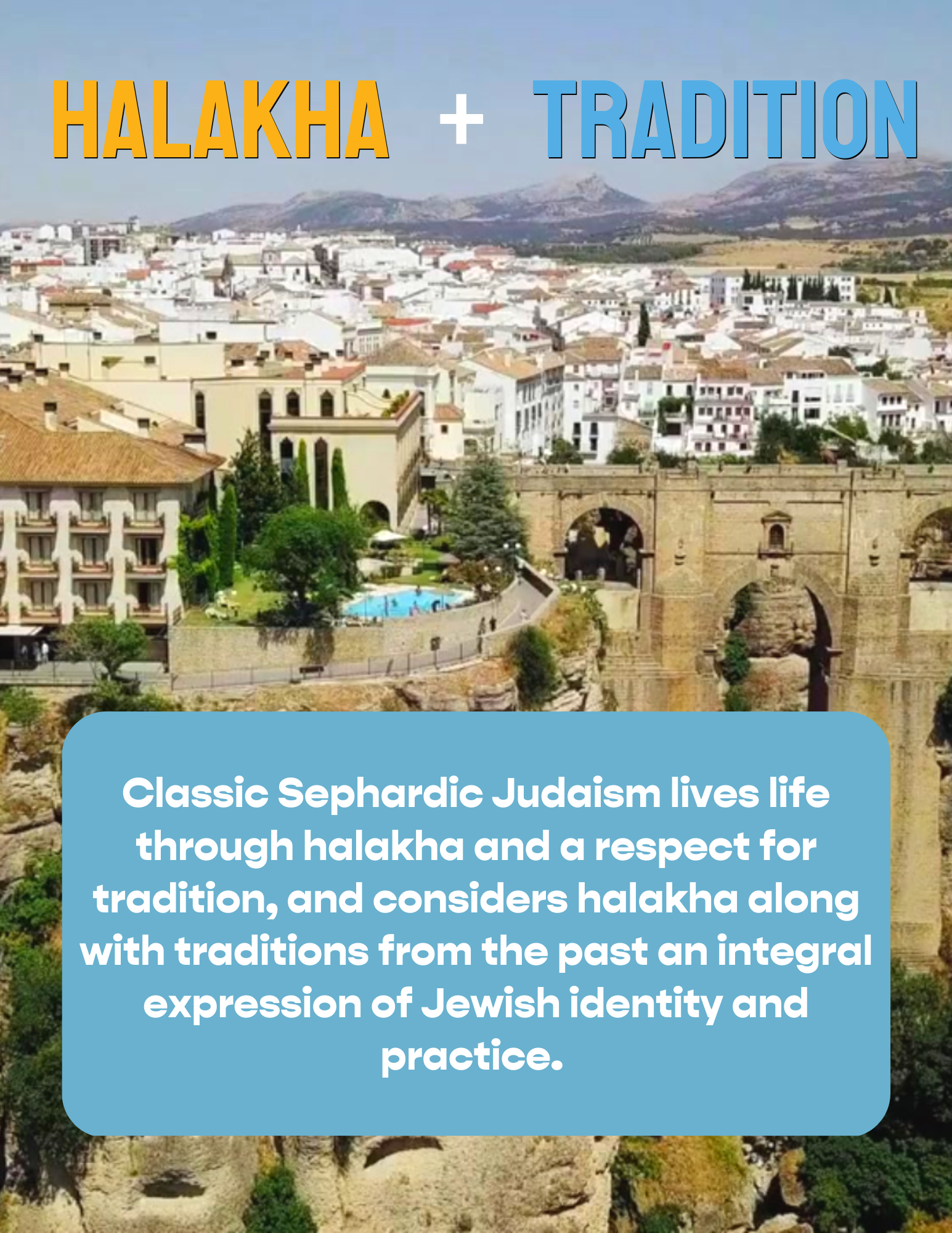
Classic Sephardic Judaism lives life through halakha and a respect for tradition, and considers halakha along with traditions from the past an integral expression of Jewish identity and practice.
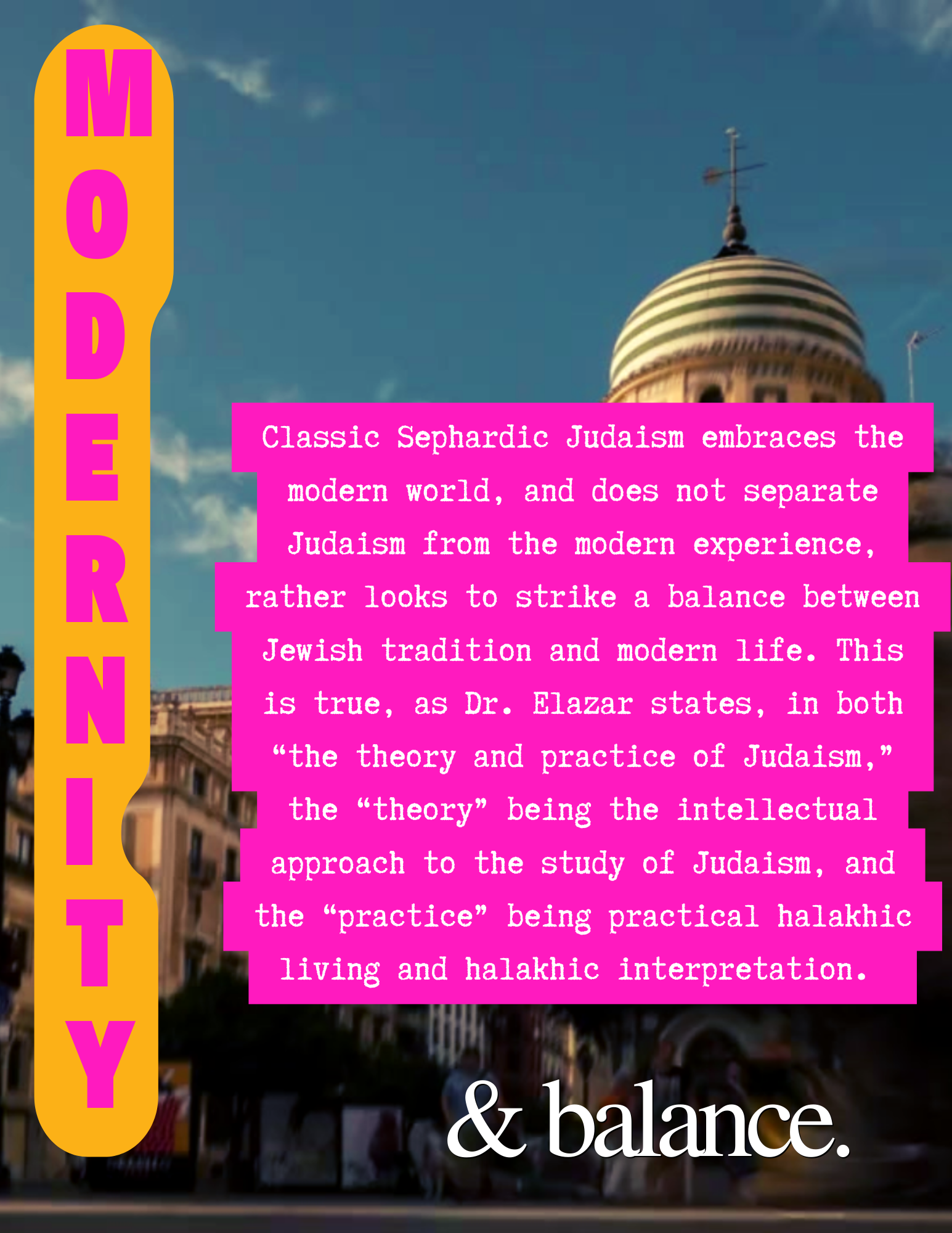
Classic Sephardic Judaism embraces the modern world, and does not separate Judaism from the modern experience, rather looks to strike a balance between Jewish tradition and modern life. This is true, as Dr. Elazar states, in both “the theory and practice of Judaism,” the “theory” being the intellectual approach to the study of Judaism, and the “practice” being practical halakhic living and halakhic interpretation.
Classic Sephardic Judaism is a centrist approach, not given to excessive behavior, extremism or isolationism.
Thus far, it is clear that Classic Sephardic Judaism takes Judaism seriously, and expects Jews to live a Jewish lifestyle no less serious and engaged than that of their Ashkenazi brethren, except that Sephardic Judaism’s interpretations of halakha are more open to flexibility and applicability.
Classic Sephardic Judaism seeks to create a balanced lifestyle where Judaism lives harmoniously with the modern world, without compromising one for the other. This is what we have called a “fusion between tradition and modernity.” How is this fusion achieved?
Stay tuned for Part Two!