
Sephardic Torah from the holy land
Rabbi Daniel Bouskila’s weekly Sephardic Torah from the Holy Land column in the Jewish Journal brings readers Torah insights, Sephardic wisdom, reflections on Israel, and teachings from the great sages of the Sephardic tradition. Written from the spirit of Jerusalem and the SEC’s Classic Sephardic worldview, the column connects timeless Jewish ideas to contemporary life, community, identity, and the modern State of Israel.
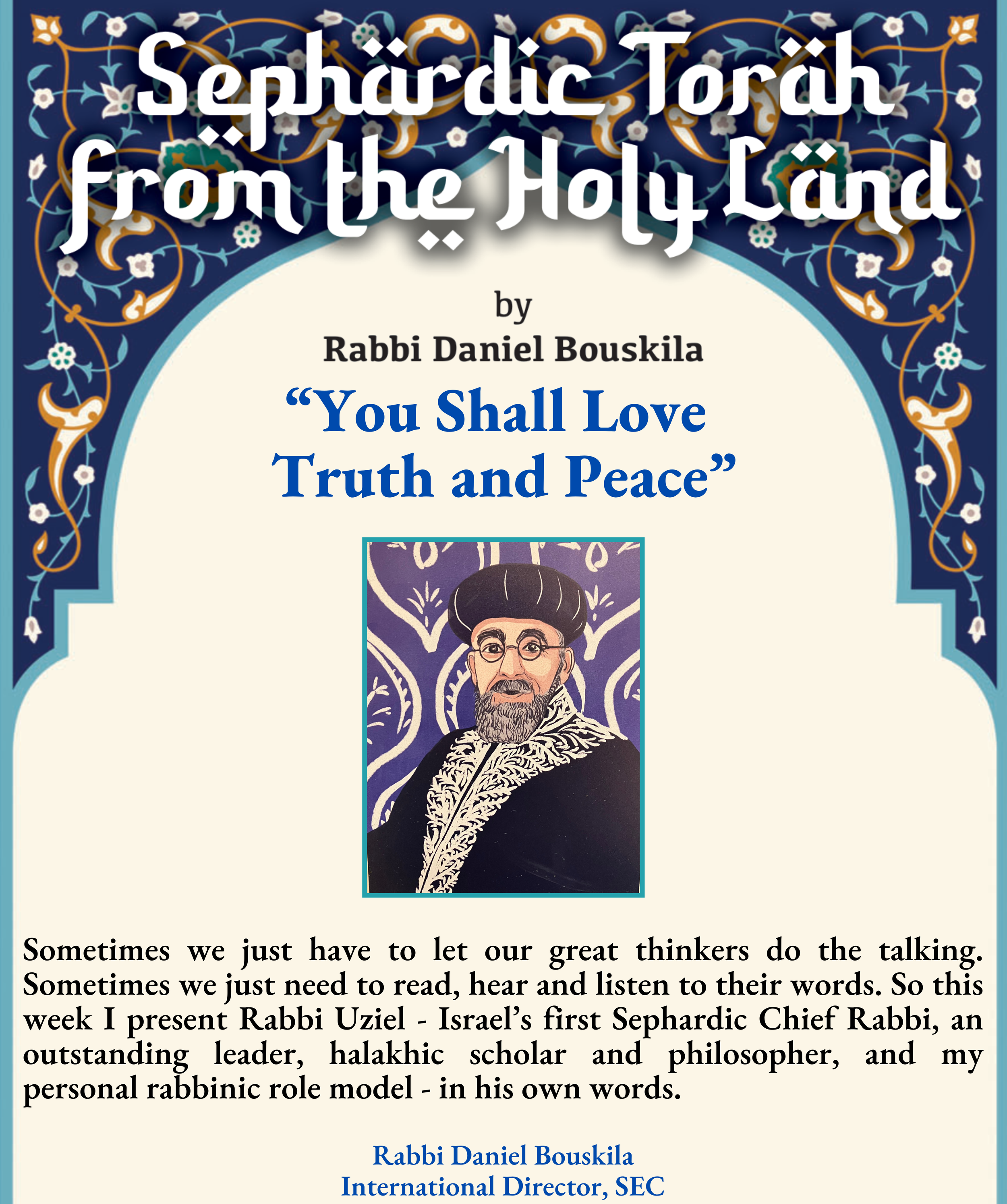
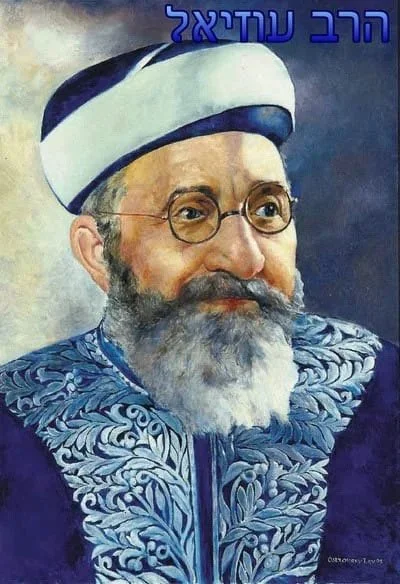
Defending Jerusalem: Rabbi Uziel, 1948
The return of my column, “Sephardic Torah from the Holy Land.”
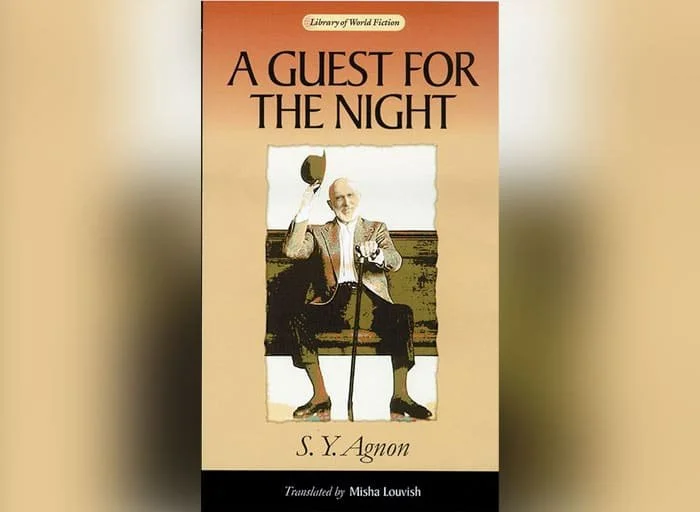
An Unlikely Agnon Encounter: One Morning on the Herzliya-Jerusalem Train
The train in Israel is a magical place, and Am Yisrael – jeans and black coats together – are a magical people.
My New Synagogue in Israel: Sephardi & Ashkenazi
My new Israeli synagogue is made up of Jews from all ethnic backgrounds.
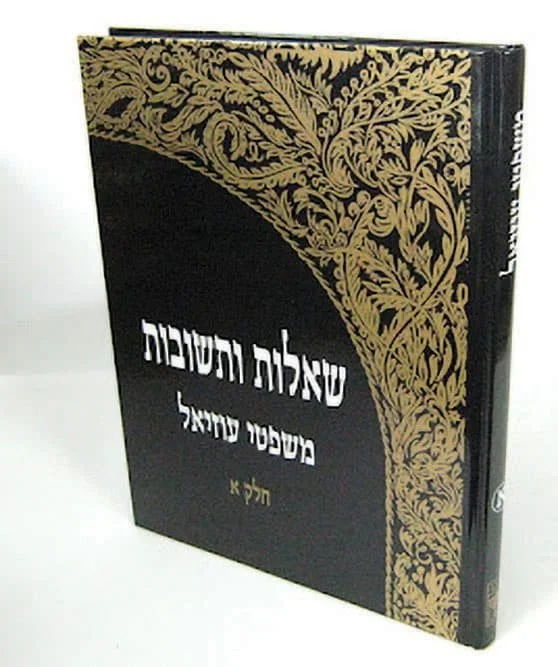
The Spirituality of Civil Law
In the Israel of 2024, Rav Uziel’s grand vision for rabbis remains as powerfully compelling as it was in 1936.

The Mysterious Sephardic Educator
This systematic study of the Torah’s 613 commandments was written as a gift from a father to his son.
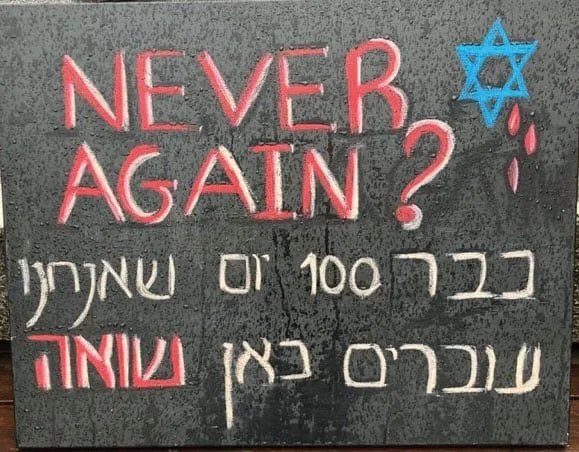
Never Again is Now: October 7 and Holocaust Remembrance Day
This week marks the first global International Holocaust Remembrance Day observed in the shadow of the October 7 massacres.
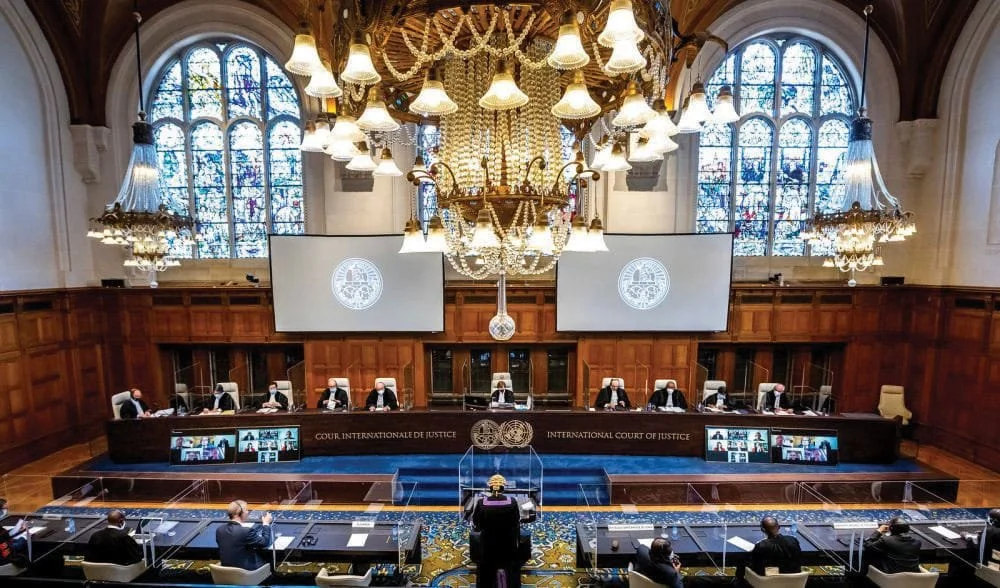
Blood Libel in The Hague: Back to the Future
"Enough with our constantly having to defend ourselves in the court of public opinion. It’s time for us Jews to launch a legal case against our libelous accusers."
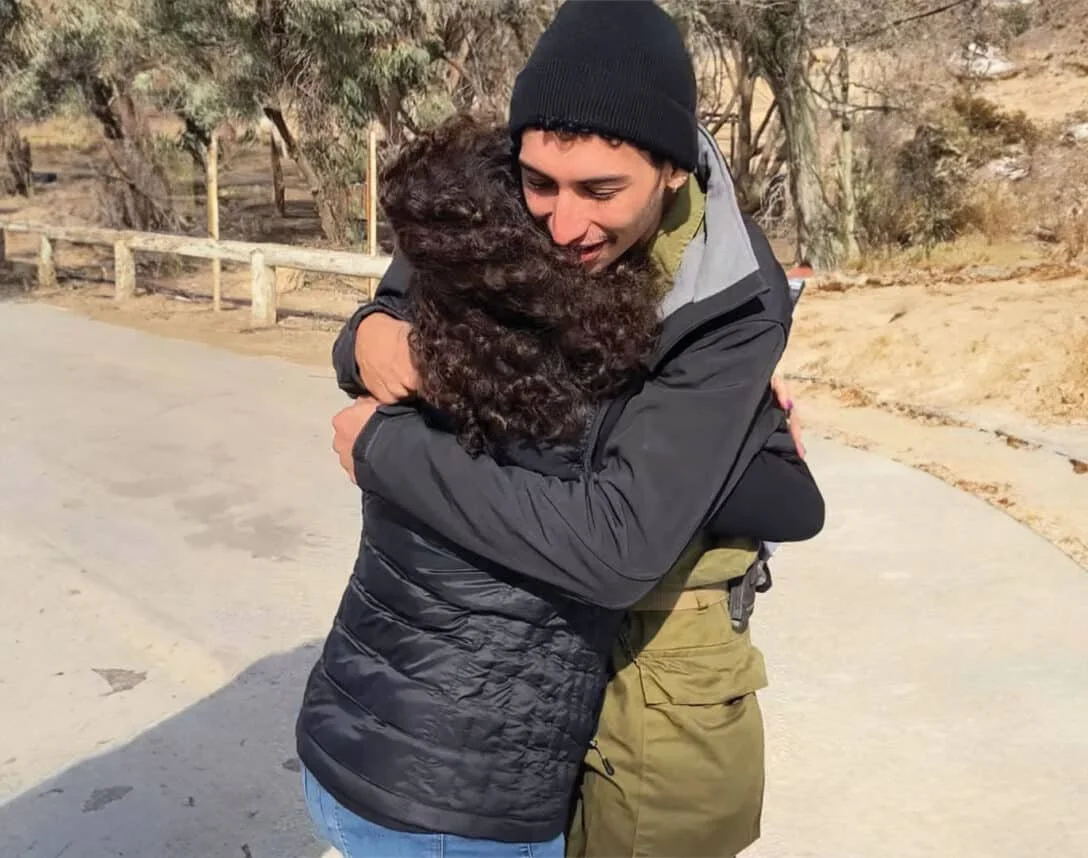
My Heart is in the East
It’s been over three months since I’ve written something for the Jewish Journal. My last column was written in another era, in what seems like a galaxy far, far away – a week before October 7, 2023. I wrote that column as Peni and I prepared to board a plane to Israel, to celebrate Sukkot and then spend a few weeks with our son Ilan and his wife Kayla. They got married in Israel in February 2023, are both IDF veterans, live in Herzliya, and had just returned home to Israel from a honeymoon trip in Thailand a few days before Sukkot. Ilan was scheduled to start his second year of law school at Reichman University, and Kayla her Mechina year at Bar Ilan. Peni and I planned to stay in Israel for about a month, including for meetings and events in Jerusalem with my organization, the Sephardic Educational Center.

Hamsa Israel Stories, Part 1
This almost didn’t happen. It had so much going against it – the ongoing war in Gaza, rockets from Yemen, and the recent missile war with Iran. The planned Maccabiah Games – cancelled. Many teen and Birthright groups – cancelled. Everyone told me to follow suit, to cancel my Sephardic Educational Center “Hamsa Israel” teen program. I decided not to pull the plug. The arrival date for our group was set for July 15, so I held out on canceling.
A Dilemma in Damascus
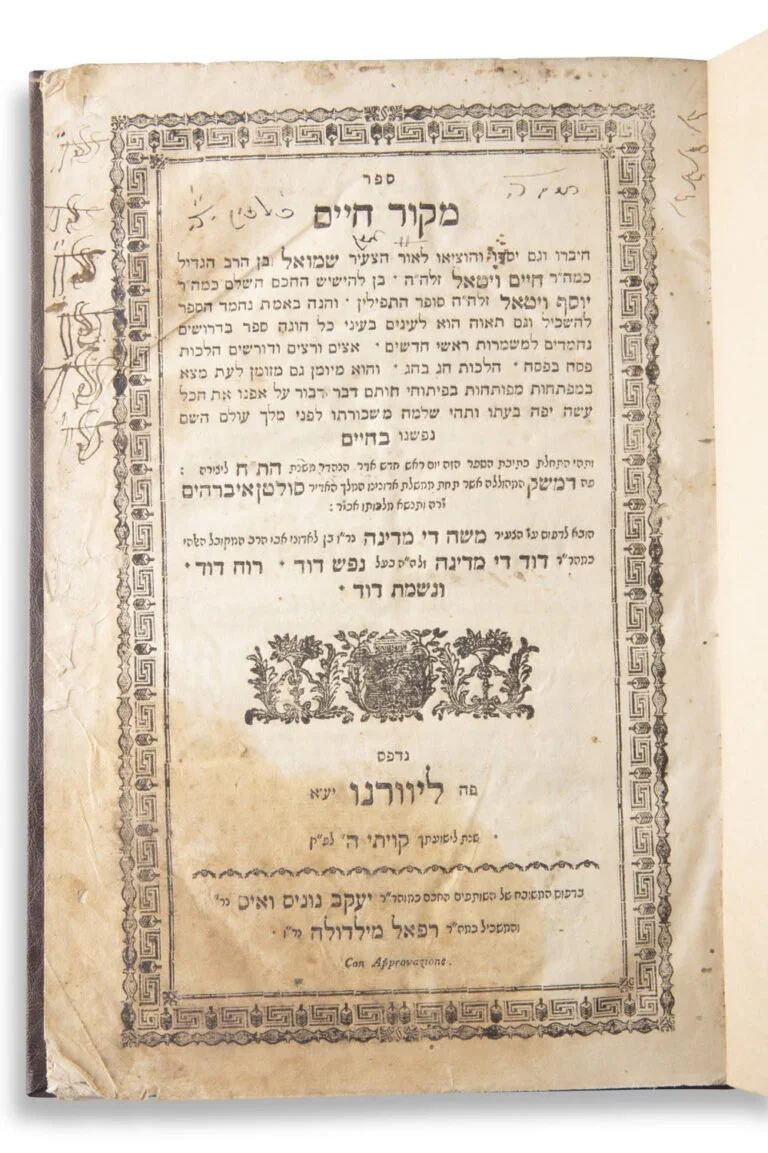
There was a custom in Damascus in the 17th century, that for the purposes of tax assessment, the properties of the wealthy were evaluated up to 3000 grushim (the currency at that time), thereby creating a situation that any properties or financial holdings above 3000 grushim were tax exempt. In modern economic terms: a tax ceiling. The rationale for this was that if they collected taxes on the wealthy beyond this amount, the wealthy would hide their properties and financial holdings. This was accepted in the community for many years.
Praying in the Dark - Parashat Vayetze
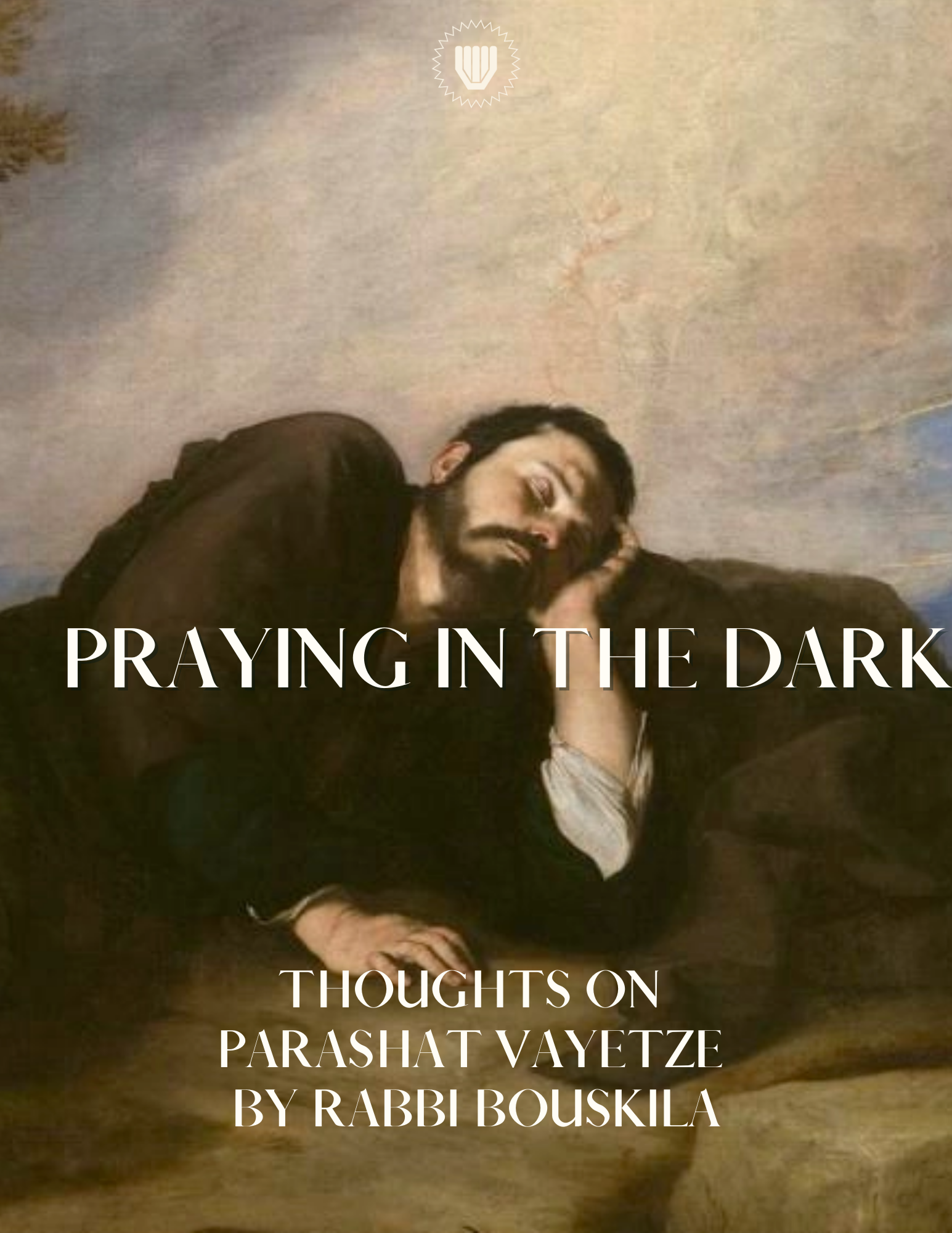
“Jacob left Beer-Sheba, and set out for Haran. He came upon a certain place and stopped there for the night, for the sun had set” (Genesis 28:10-11). On his journey towards Haran, Jacob encounters darkness in a place that the Torah simply calls “a certain place.” What was this “certain place”?
Prayer from the Heart - Parashat Toledot
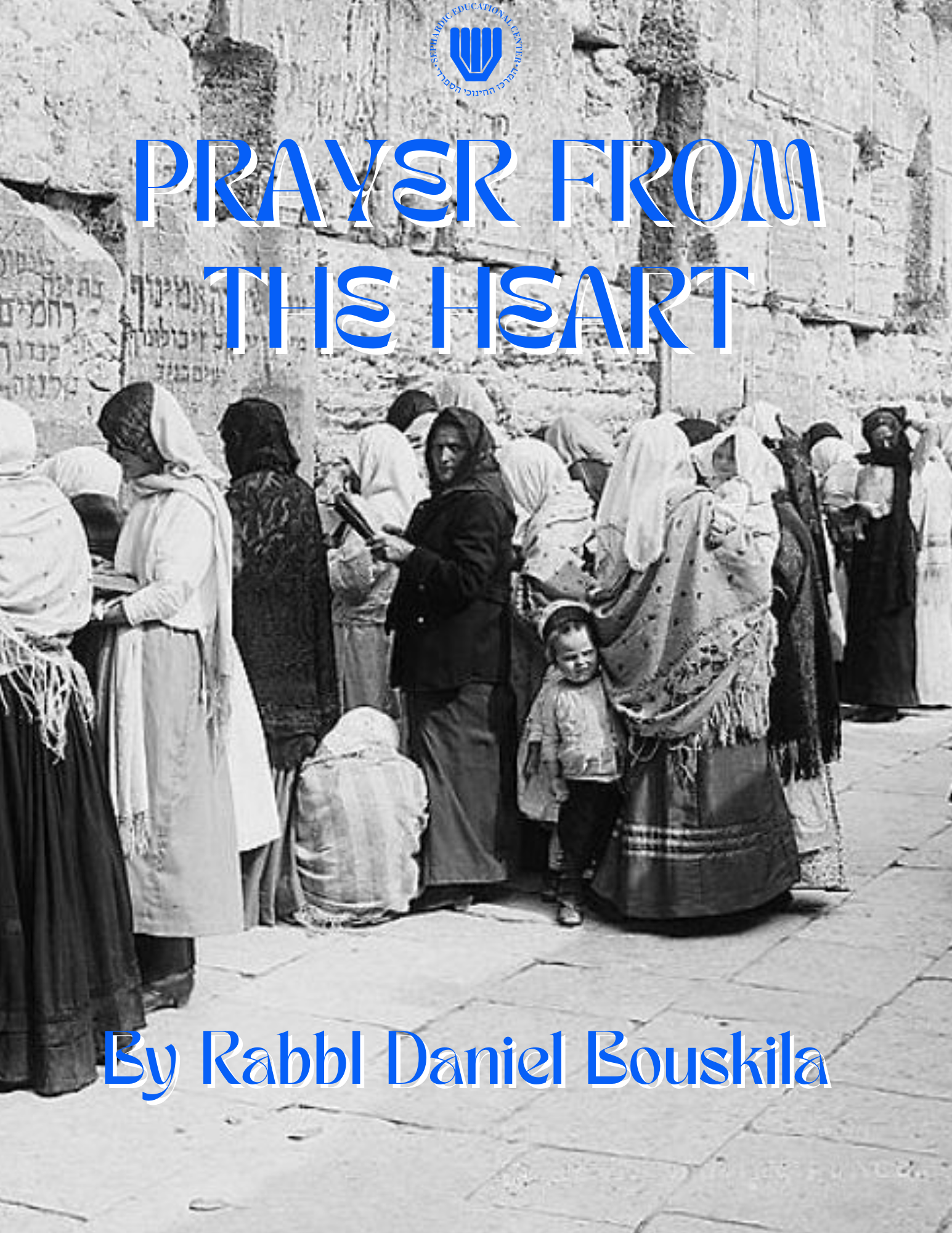
Prayer from the Heart (Parashat Toledot – Genesis 25:19 – 28:9) Parashat Toledot presents us the Torah’s second incident of a barren woman. Like Sarah in the previous generation, we are now told that the current matriarch – Rebecca – is unable to bear children. With Sarah, the temporary solution was for her husband Abraham to father a child with Hagar, Sarah’s maidservant. Although Sarah eventually gave birth to a son (Isaac), the episode with Hagar and Ishmael (the son Abraham fathered with Hagar) created painful circumstances resulting in the expulsion of Hagar and Ishmael from Abraham’s household.
Judaism’s Mission Statement - Parashat Vayera
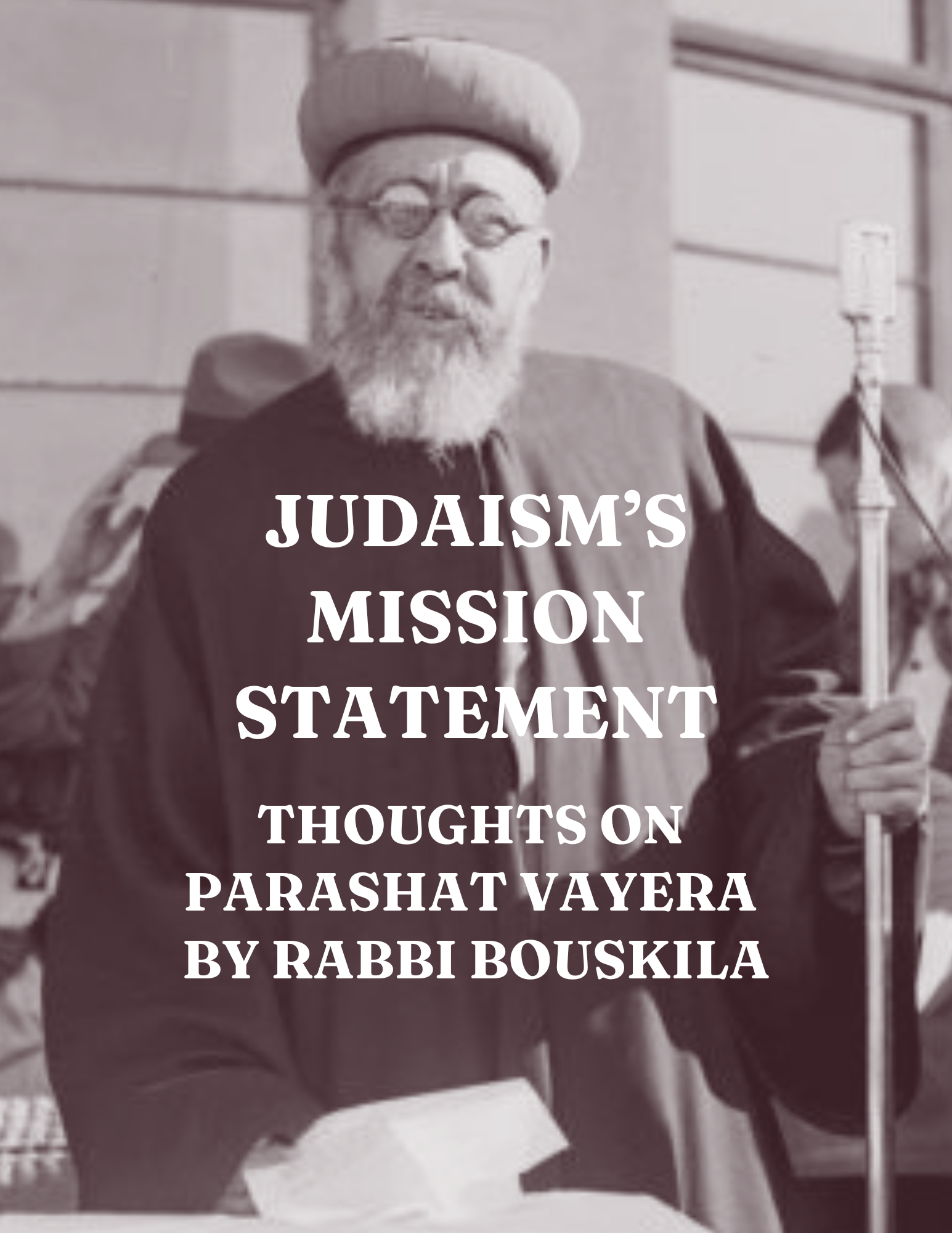
On November 26, 1936, Rav Ben Zion Meir Hai Uziel delivered a lecture to a large gathering of rabbis in Jerusalem. Titled “The Seat of the Rabbinate,” Rav Uziel’s words were delivered as an introduction to that day’s elections for the Council of the Chief Rabbinate of the Land of Israel. Speaking to rabbis who would potentially join him as part of the Land of Israel’s national rabbinic leadership, Rav Uziel articulated a vision for what he felt were the priorities of the rabbinate in the Yishuv in Erets Yisrael (which eventually became the modern-day State of Israel):

The Long and Winding Road: Parashat Lech Lecha
The day God pronounced two simple words — lech lecha — Abraham and Sarah’s lives changed forever. God instructs Abraham to leave his homeland, his birthplace and his father’s home, “to the land that I will show you, and there I will make of you a great nation” (Genesis 12:1-2). “Lech lecha,” go forth — and thus the long journey began.